Drawn to Knowledge: The Neuroscience Behind Diagrammatic Learning
Today we explore the neuroscience behind diagrammatic learning, tracing how visual, spatial, and memory systems cooperate to untangle complexity. You will see how sketches lighten cognitive load, boost recall, and reveal structure, with practical moves, research-backed insights, and stories you can apply immediately and share. Join the conversation by posting your diagrams and questions so we can iterate together. Subscribe for upcoming deep dives and sketch-along challenges.
How the Brain Maps Space Into Meaning
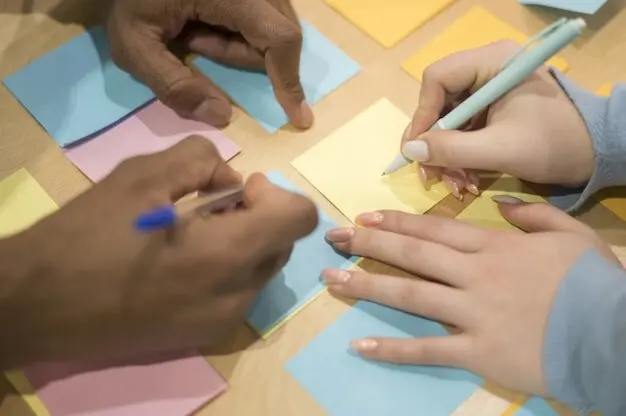
The brain is a cartographer. Hippocampal and entorhinal circuits encode relations as places, grid patterns, and paths, while parietal regions transform angles and distances into manipulable vectors. When a diagram externalizes these relations, cortical maps align with lines and labels, reducing search, sharpening attention, and turning abstract links into navigable space you can revisit.
From Lines to Landmarks: Hippocampal Binding in Sketches
Sketching a process or concept gives the hippocampus landmarks to bind: nodes become familiar places, edges resemble routes, and relative positions scaffold sequences. This spatial scaffold supports episodic tagging, so revisiting the drawing cues retrieval pathways, strengthening connections without verbal rehearsal each time you glance back.
Parietal Orchestration: Attention, Vectors, and Scale
Directed attention in parietal networks thrives on structured space. Axes, scales, and consistent alignment reduce coordinate transformations the brain must perform, freeing resources for inference. Clear hierarchy turns split-second saccades into efficient sampling, enabling faster comparisons, more accurate estimations, and fewer costly regressions across cluttered, competing visual elements.
Visual Cortex Tuning: Preattentive Features that Pop
Before conscious recognition, the visual system flags color, size, orientation, and motion. Leveraging these preattentive features makes key signals pop instantly. One saturated hue or a bold stroke can guide gaze like a lighthouse, preventing overload while quietly encoding priority, grouping, and expected reading order.
Reducing Extraneous Noise with Clean Layouts
Clutter taxes attention and bloats search time. Remove ornamental shapes, align labels close to targets, and collapse repetitive legends. Apply the signaling principle with restraint: fewer cues, stronger guidance. The result is quieter cognition, clearer comparisons, and a smoother path from perception to reasoning without needless detours.
Text–Image Synergy: The Paivio Advantage
When concise captions sit beside graphics, the brain binds modalities efficiently. Complementary wording names relationships the image implies, avoiding redundancy that wastes capacity. This duet leverages distinct channels, so if one later fades under stress, the other still sparks recognition, reducing forgetting during exams, presentations, and rapid decisions.
Design Moves That Work With Memory
Memory favors structure. Grouping related elements, pacing density, and reserving emphasis for vital contrasts transform a busy canvas into a narrative surface. These decisions tame working memory limits, support efficient rehearsal, and create layouts that teach even when glanced at during quick, distracting moments of daily life.

Learning Stories from Classrooms and Labs
Evidence persuades, but stories move us to try. Across classrooms and labs, sketched models have shortened study time, corrected misconceptions, and energized collaboration. These vignettes reveal how minds respond when complexity gains edges and arrows, and they invite you to share your own experiments, results, and surprises.
First 250 Milliseconds: Preattentive Snap
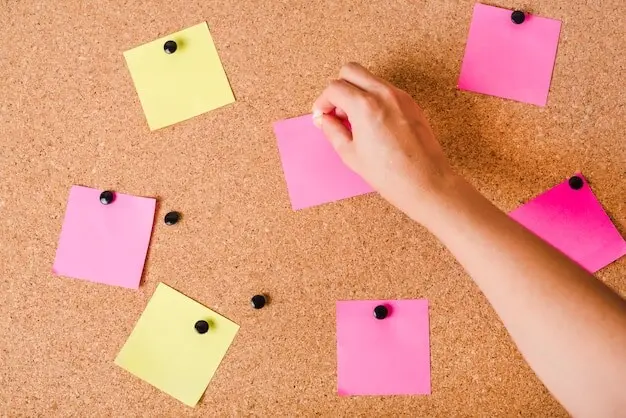
In the opening quarter-second, features that differ sharply in color, size, or orientation jump ahead of conscious analysis. Use this window wisely: mark entry points, spotlight anomalies, and minimize distractors. Early clarity establishes momentum, decreasing abandonment and encouraging curiosity to carry learners into deeper structure.
Working Memory Seconds: Assembly and Labeling
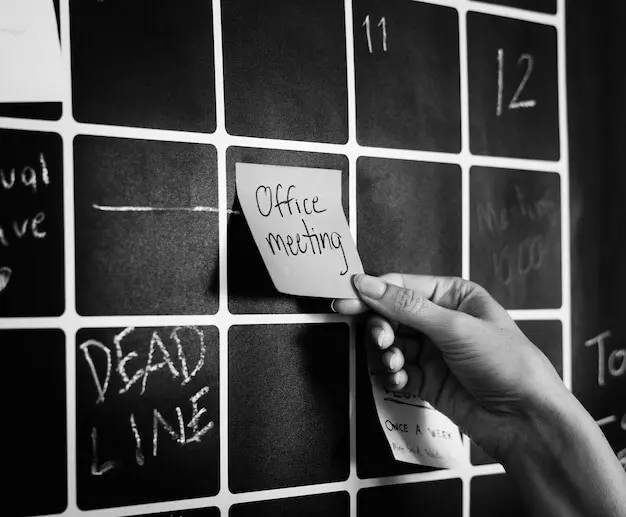
Over several seconds, labels and links are integrated into a coherent chunk. Limit concurrent novelties, and stage complexity so each addition earns attention. Short, purposeful pauses or micro-questions invite rehearsal, thickening traces in prefrontal and parietal circuits that will steady recall under pressure later.
Long-Term Consolidation: Sleep, Dopamine, and Rehearsal

Consolidation loves reactivation. Revisit the same structure with small variations, narrate it aloud, and sleep on it. Dopamine bursts from insight mark salient links; slow-wave sleep replays them. Tomorrow’s redraw feels easier because pathways strengthened overnight, rewarding consistency more than marathon cramming sessions ever could.
Make Your Next Diagram: A Practical Mini-Workshop
Let’s build something together. Grab a pen, open a blank canvas, and turn your current challenge into shapes, arrows, and labels. Follow the steps below, share a snapshot in the comments, and tell us what surprised you. We will respond with suggestions and joyful iterations.






All Rights Reserved.