
Sketches to Sprints: Making Ideas Move
Today we dive into turning visual notes into actionable project plans, transforming whiteboard sketches, sticky clusters, and quick diagrams into timelines, backlogs, and commitments people actually follow. Expect practical steps, creative prompts, and field-tested rituals that convert colorful arrows into accountable milestones, transparent ownership, and reliable delivery. Bring your scattered drawings, and leave with clarity, confidence, and a repeatable method you can teach your teammates tomorrow morning.
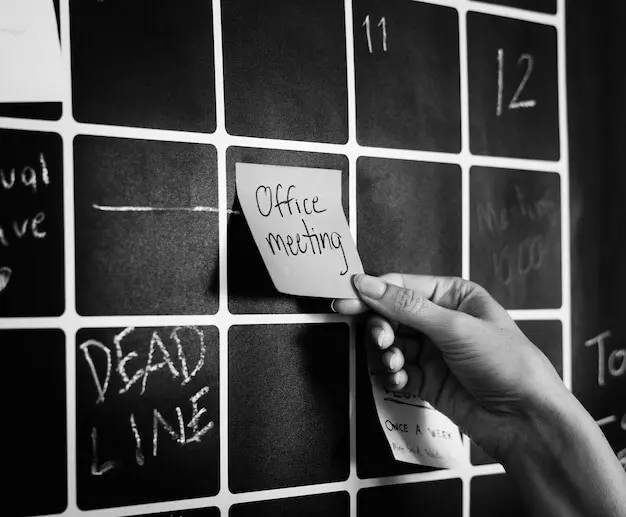
Decoding Doodles into Clear Structure
Before any tool or template, meaning comes from patterns. We’ll translate messy drawings into clean structures by spotting clusters, naming flows, and distinguishing ideas from decisions. You’ll learn to separate problems, tasks, and risks, creating a foundational narrative that guides planning, estimation, and prioritization without losing the original spark captured in those quick lines and color-coded stickies.
From Clusters to Captions
Group neighboring stickies, arrows, and icons, then craft short, descriptive captions that express purpose instead of vague categories. Replace “UI stuff” with “First-time sign-in friction.” Replace “Data” with “Customer activity stream enrichment.” Strong captions become the bones of a plan, making scope negotiable, value explicit, and stakeholder alignment almost immediate, because everyone can finally point to the same clarified idea.
Extracting Tasks, Risks, and Decisions
Circle verbs to reveal tasks, diamonds to expose decisions, and lightning bolts to surface risks sitting quietly in the margins. Ask, “What must be true for this arrow to hold?” Convert answers into checklist items and clear assumptions. A simple legend applied consistently transforms charming doodles into a reliable inventory of actions, open questions, potential blockers, and escalation paths your team can manage deliberately.
Choosing the Right Plan Shape
Some sketches want a backlog, others demand a milestone roadmap, and complex webs often benefit from a lightweight work breakdown structure. Match the visual grammar you found with the planning artifact you choose. When flow dominates, consider Kanban. When sequencing matters, try milestones or Gantt. Align the artifact to the drawing’s logic, and your plan will feel natural, honest, and easy to maintain.
Digital Capture and Seamless Transcription
Great plans start by preserving fidelity. Photograph boards with consistent angles, even lighting, and anchor points. Run OCR to extract text, then normalize names and units. Use simple schemas—labels, owners, effort, and status—to import into your preferred tools. The objective isn’t perfection; it’s continuity, retaining the energy of the room while converting its content into trustworthy, queryable, and shareable planning data.
From Canvas to Backlog: Practical Frameworks
Turn arrows and boxes into user stories, acceptance criteria, and measurable outcomes. Translate pathways into epics, and attach definitions that reduce ambiguity. Use your visuals to identify dependencies, slice scope, and reveal testable increments. This section offers battle-proven mappings that honor the sketch’s intent while producing artifacts engineers, designers, and stakeholders can execute, debate constructively, and ultimately ship with confidence.

Collaborative Rituals that Keep Momentum
Plans survive through rituals that reinforce clarity and agency. Translate the board’s excitement into a 48-hour action burst, then sustain cadence with visual playback sessions and short, decision-focused check-ins. Build a living decision log. Encourage questions that test assumptions. These habits convert inspiration into progress, keep stakeholders aligned, and prevent that familiar fade from energized scribbles to forgotten photos buried in chat threads.

Prioritization, Scope, and Risk with Confidence
Visual notes contain built-in priorities: center-stage items, repeated motifs, and bold colors often mark what truly matters. Convert those hints into explicit ranking using MoSCoW or RICE, then carve milestones that motivate. Meanwhile, elevate quiet uncertainties into tracked risks with owners and triggers. This balance defends momentum, avoids overcommitment, and focuses energy where outcomes, learning, and stakeholder value intersect most powerfully.
Map bright, central stickies to Musts, edges to Coulds, then challenge each label with RICE scores grounded in reach and impact, not intuition alone. Discuss confidence openly. Reclassify bravely. When visuals and scoring disagree, pause to discover why. That friction is precious signal, often surfacing gaps in user understanding or technical feasibility before deadlines harden and budgets start dictating avoidable compromises.
Transform clusters into milestones named after outcomes users feel, not internal steps. Replace “API v2” with “Two-click reorders for returning customers.” Give each milestone one narrative, a maximum of five enabling stories, and a clear demonstration date. Motivation thrives when progress is visible and language resonates. Tie celebrations to these outcomes so the team’s identity reflects delivered value rather than abstract internal plumbing.
Scan corners and faint pencil notes for fragile assumptions. Turn question marks into explicit risks with triggers and contingency actions. Assign owners who revisit them during standups. Archive resolved risks with outcomes for future pattern recognition. Consistently promoted marginalia prevents the classic failure mode where the loudest sticky wins the day while the quiet uncertainty becomes tomorrow’s emergency rework or blocked release.

Execution, Tracking, and Celebrating Outcomes
Translate visual groupings into lanes and swimlanes. Show aging cards, not just counts. Include a tiny snapshot of the original board in the corner to preserve narrative. Highlight milestones as bold markers users recognize. When dashboards echo the sketch’s structure, status reviews become faster, kinder, and more honest, because everyone sees not only numbers but the shared intent driving those numbers forward.
Keep checklists short, outcome-anchored, and visible at the ticket level. Tie each item to a definition of done and an observable artifact, like a screenshot, link, or metric. Automatically nudge owners when items linger. Celebrate completed lists publicly. These tiny, boring victories compound into reliable delivery habits, turning inspired drawings into consistent, verifiable progress that stakeholders trust without prompting or elaborate presentations.
Post concise demos aligned with the original sketch frames, then invite comments and questions. Tag contributors visibly. Connect each win to user outcomes, not effort spent. Encourage readers to subscribe for behind-the-scenes breakdowns, templates, and hands-on clinics. Repetition matters; each public acknowledgment rewires the team’s identity from scribblers to shippers, ensuring the next whiteboard session starts with credible optimism and focused intent.

All Rights Reserved.